Creating the Ideal Tailored Vegetable Boxes: A Step-by-Step Approach
Designing specialized fruit and vegetable boxes requires a strategic method. Specialists must consider sustainability, practicality, and visual appeal. Selecting the suitable components is vital for maintaining quality and supporting eco-friendly methods. Additionally, size and form can significantly affect usability and transport efficiency. Effective visual elements enhance company recognition, while thorough assessment guarantees strength. Understanding these components will reveal key understanding into producing standout container solutions that appeal to consumers. What follows is essential to achieving those goals.
Determining the Best Materials for Custom Produce Boxes
When selecting materials for custom produce boxes, it is essential to evaluate both performance and sustainability. The selection of material greatly affects the box's longevity, weight, and capacity to protect the contents. Common materials include corrugated cardboard, which offers strength and is recyclable, making it a popular choice for eco-conscious businesses. Compostable options, such as molded pulp or plant-based plastics, also align with sustainable practices while providing sufficient protection for delicate produce.
In addition, moisture resistance is essential for sustaining product quality, motivating some creators to examine conditioned compounds or tailored protective barriers. The aesthetic appeal of the box should not be overlooked, as branding and visual presentation can influence market perception. Ultimately, the right material should maintain proportion between safeguarding products, drawing in buyers, and following ecological standards, ensuring both functionality and sustainability are prioritized in the planning phase.
How to Determine Size and Shape for Functionality?
When choosing the form and dimensions of custom produce boxes, careful assessment of produce measurements is essential for effective storage. Additionally, attention to handling and transport can impact the box design, guaranteeing ease of movement. Optimizing storage space utilization further enhances functionality, enabling efficient display and storage.
Evaluate Produce Measurements Carefully
Assessing the right form and capacity for vegetable boxes is fundamental for functionality and efficiency. Thorough measurement of product dimensions is critical, as it validates that items fit firmly without excess space that could produce damage during logistics and storage. Custom boxes need to accommodate assorted configurations, from delicate berries to bulky vegetables, while sustaining structural integrity. Furthermore, the depth and height of the boxes should facilitate stacking and organization, optimizing space in storage areas. A expertly built box not only shields the produce but also strengthens consumer attraction for consumers. To sum up, measured analysis of dimensions contributes to reducing waste and advancing buyer experience in the product supply chain.
Consider Handling and Transport
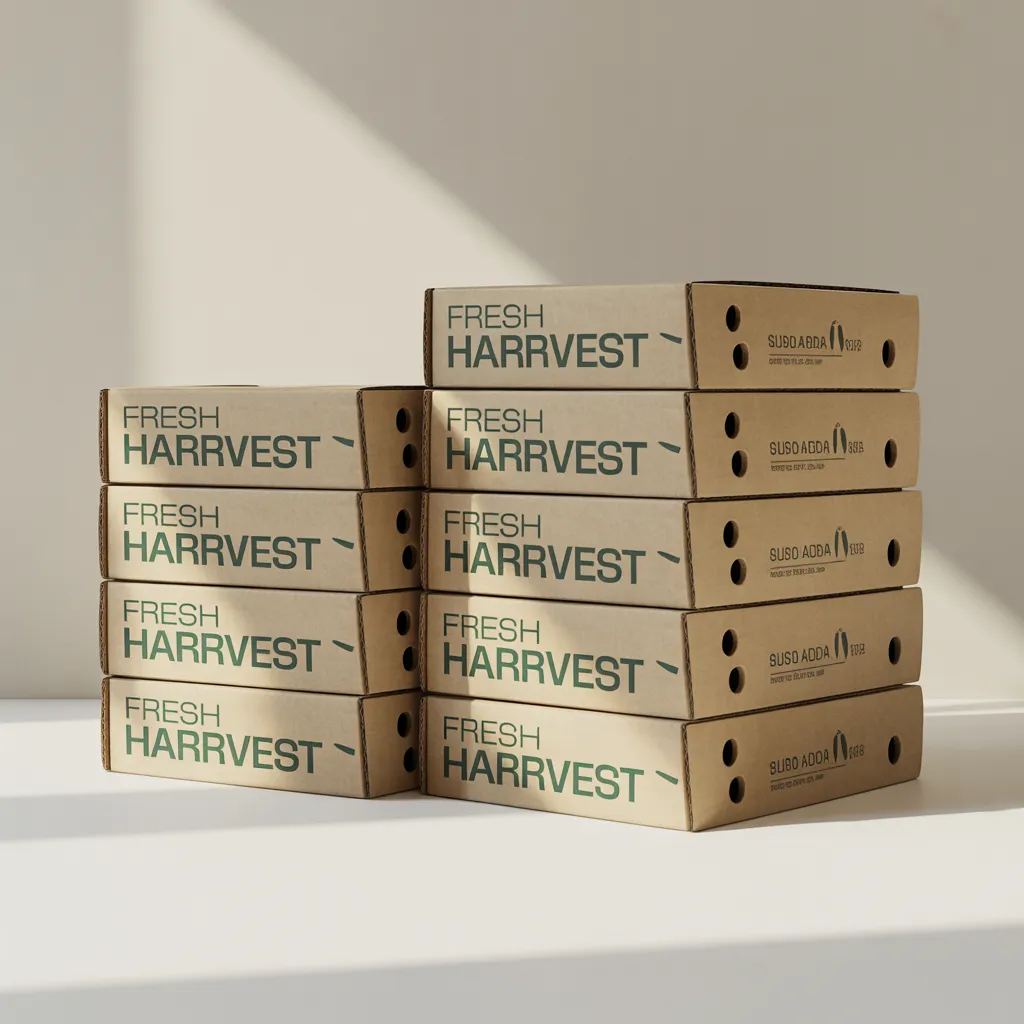
Handling and transport considerations play a significant role in ascertaining the appropriate dimensions and contour of custom agricultural packaging. The dimensions should accommodate the produce without surplus space, which would result in shifting and damage during transport. Smaller, compact boxes provide more straightforward handling, whereas bigger containers may become necessary for oversized items. Additionally, ergonomic design is critical; grip areas and access ports should be strategically placed so as to provide pleasant hoisting and moving. The shape that makes up the box also affects nesting and stability, confirming where products keep secure. Ultimately, thoughtful review of such considerations enhances the streamlining of shipping, lessens goods loss, and preserves the overall integrity concerning the produce commencing at farm to consumer.
Enhance Shelf Space Allocation
Efficient shelving efficiency depends on selecting the right dimensions and form of tailored produce boxes. Product planners should take into account the measurements of the shelving units as well as the varieties of produce being kept. Rectangular boxes often optimize spatial utilization, enabling for easier arrangement and organization. On the other hand, distinctive forms can enhance aesthetic attractiveness but may result in unused areas if not thoughtfully designed.
It's essential to evaluate the stock movement metrics; faster-moving items might benefit from compact, readily reachable containers. Furthermore, implementing flexible or customizable structures can support varying sizes of produce while optimizing shelf organization. By emphasizing practical design combined with visual appeal, businesses can develop a functional and attractive presentation that enhances both ease of access and item prominence.
How to Produce Images That Draw Focus?
Impactful designs can transform a simple custom produce box into a remarkable display that attracts attention. To succeed this, designers should get the full story start by selecting a color mix that reflects the freshness and radiance of the produce. Vivid, visually striking colors can evoke feelings of freshness and health, driving consumers to take a closer look.
Bold typography is also essential; clear and legible fonts can effectively communicate vital details while amplifying design value. Additionally, using excellent images of the products can establish instant connection, revealing the product's quality and enticing potential buyers.
Furthermore, incorporating unique patterns or illustrations can assist in setting apart the brand in a congested market. Consistency in design elements, such as logos and taglines, reinforces brand identity. Ultimately, a combination of creativity and clarity in graphic design can greatly boost the significance of custom produce boxes, making them stand out on shelves.
Green Practices for Custom Produce Box Packaging
A expanding volume of enterprises are embracing green practices for custom produce box packaging, recognizing its value in today's sustainability-focused market. These initiatives often feature the use of organic materials, such as recycled paper and plant-based plastics, which decrease environmental impact. Companies are also working on ethical sourcing, ensuring that materials are obtained from responsibly managed forests or suppliers who support environmental stewardship.
Furthermore, numerous brands are going with understated styles that minimize waste while still effectively promoting their products. This approach not only appeals to environmentally conscious consumers but also helps in lowering production costs. Moreover, businesses are progressively implementing efficient manufacturing processes that limit energy consumption and waste generation. By incorporating these eco-friendly practices, companies not only boost their brand image but also contribute positively to the planet, aligning their operations with a sustainable future.
Validate Your Custom Produce Box Design
Testing the design of custom produce boxes is an crucial step in ensuring they satisfy both visual and practical needs. This procedure usually includes assessing elements such as durability, dimensions, and usability. First, samples must be developed to evaluate the box's structural integrity, making certain it can endure shipping and storage without damaging the contents.
Next, usability tests can be conducted to determine how effortlessly the boxes can be unlocked, closed, and arranged. Input from potential users can be invaluable in this phase, providing insights into the box's practicality.
In addition, the design's aesthetic value should be validated through survey groups or focus panel discussions, analyzing consumer reactions to branding features, colors, and full design presentation.
Ultimately, comprehensive evaluation allows designers to improve the box, guaranteeing it not only appeals to customers but also adequately safeguards and presents the produce within, achieving the right equilibrium between form and function.
Advertising Your Custom Produce Boxes Effectively
Impactful promotion of personalized vegetable containers requires a well-planned strategy that highlights their unique features and benefits. Companies must concentrate on identifying their intended customers, whether they are local farms, grocery stores, or individual consumers. Utilizing social media platforms can amplify market visibility, presenting the boxes' design and practicality through compelling visuals and storytelling.
In addition, aligning with regional personalities and growers can solidify authenticity and increase visibility. Rolling out promotions or discounts during busy seasons can appeal to debut customers and motivate repeat business.
Moreover, emphasizing environmental consciousness and green initiatives in advertising content can appeal to environmentally conscious consumers. Delivering detailed information about the materials used and the benefits of personalized packaging options can help differentiate the product in a competitive market.
Ultimately, a comprehensive marketing strategy that combines digital and community-based efforts will successfully publicize custom produce boxes, appealing to a diverse clientele and generating sales.
Regularly Posed Questions
What Are the Costs Associated With Custom Produce Box Design?
Charges connected to custom produce box design consist of components, print services, labor, and delivery costs. In addition, design expertise and batch minimums can determine overall costs, causing variable pricing based on specific needs and manufacturing size.
How Much time Does Production of Custom Boxes Take?
Manufacturing of tailored boxes generally requires two to six weeks. Key factors affecting this timeframe encompass design intricacy, materials availability, and production capacity, all of which may affect delivery schedules and delivery windows.
Is it Possible to Buy a Small Quantity of Tailored Produce Boxes?
Yes, modest amounts of tailored vegetable containers can generally be purchased. Many vendors provide minimum order quantities, enabling companies or people to acquire tailored packaging solutions without having to pledge to substantial volumes at first.
What Frequent Mistakes Should You Steer Clear Of When Creating Custom Boxes?
Frequent mistakes in custom box design involve overlooking functionality, disregarding brand consistency, undervaluing material quality, not considering target audience preferences, and overlooking environmental impact. Each aspect is essential for effective packaging and customer satisfaction.
What Steps Should I Take to Verify My Boxes Are Food-Compliant?
To ensure boxes remain safe for food consumption, you should choose components certified for food contact, prevent harmful inks and adhesives, maintain cleanliness during production, and regularly test for compliance with health regulations and safety standards.